
.%C2%A0%20The%20%22Featherweight%22%20name%20and%20style%20really...)
The Standard Sewhandy, General Electric & Early Featherweight History
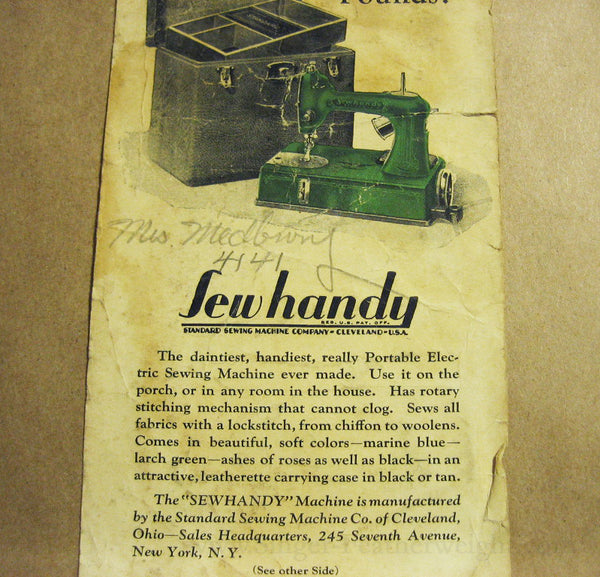
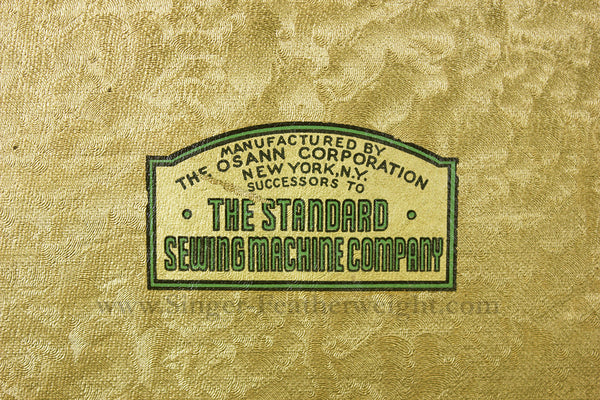
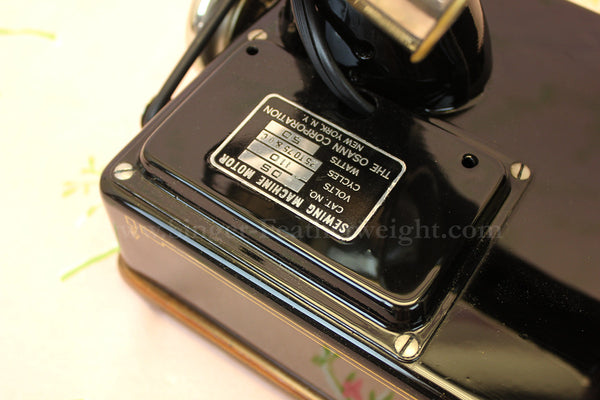
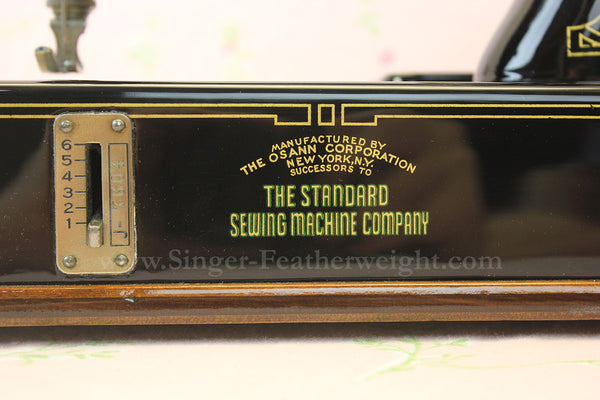
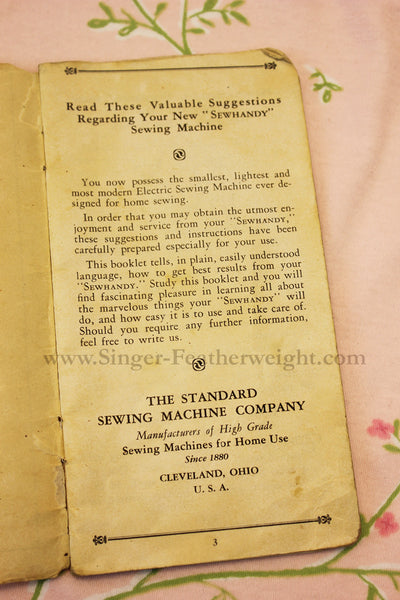
Singer "Featherweight" history actually begins before Singer and before 1933 & 1934 (when Singer debuted their model 221 at the Chicago World's Fair). The "Featherweight" name and style really had its beginnings in 1928, when  the Standard Sewing Machine Company marketed the first "Featherweight" Sewing Machine. It seems they were still toying with design names, however, as it later became known as the "Sewhandy". The compact sewing machine came in an array of colors - "marine blue, larch green... ashes of roses and black....". Even though Standard eventually sold to the Osann Corporation, the "Sewhandy" name remained iconic when General Electric (G.E.) collaborated for the machine's use in their own market share. This lightweight machine offered portability plus convenience in a small carrying case and the Singer Manufacturing Company took note. A short time later, Singer Manufacturing acquired Osann and, thus, had the machine redesigned and the "Featherweight" name was reborn in 1933.
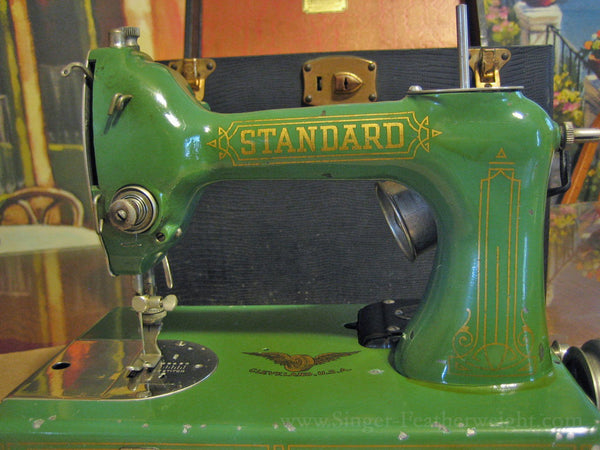
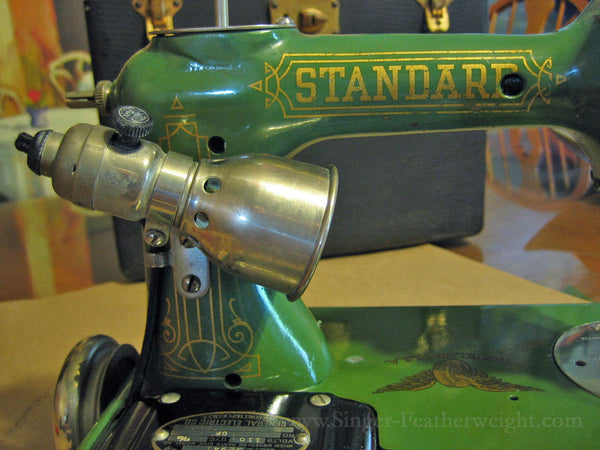
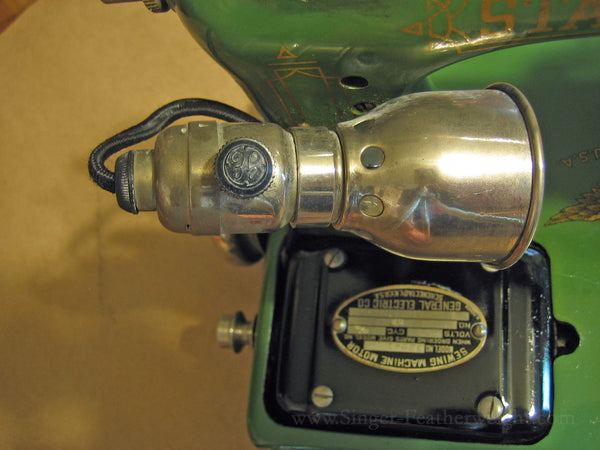
Every once in awhile, we will receive word from fellow Featherweight historians, JJ & Leo, as they might uncover something new and exciting about Featherweights or other distinctive characteristics related to the Singer Featherweight. Leo Kujat owns the website The Featherweight 221 Factory and used to restore/repaint Featherweights. He hasn't been able to update his website in several years, but he keeps in contact with a few collectors and curators by way of J.J.'s Featherweight historical emails. Recently, J.J. sent us several images of one of the earliest known "Featherweight" machines (not by Singer but by Standard) along with some of their historical notations about each photo. We were given permission to use these photos and information so we could share with you and keep the Featherweight history accurate and forthcoming. We hope you will enjoy these as you learn more, including what must have been the inspiration of our beloved Singer Featherweight.

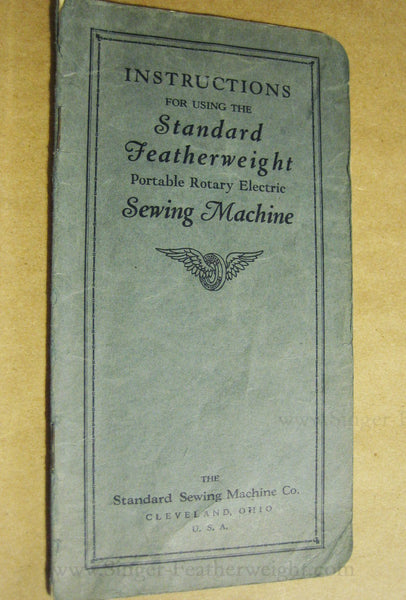
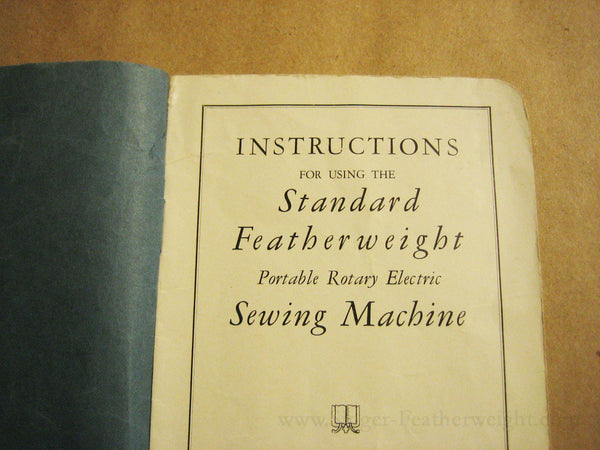
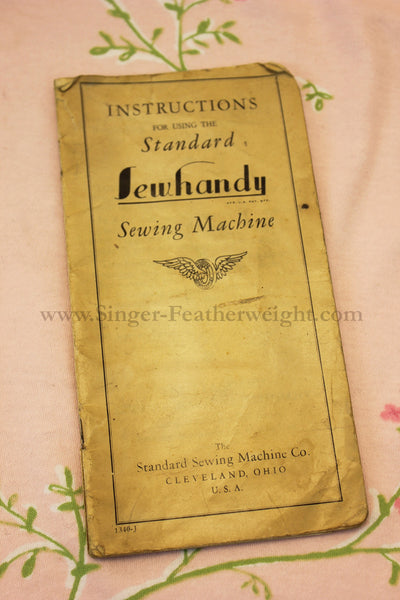
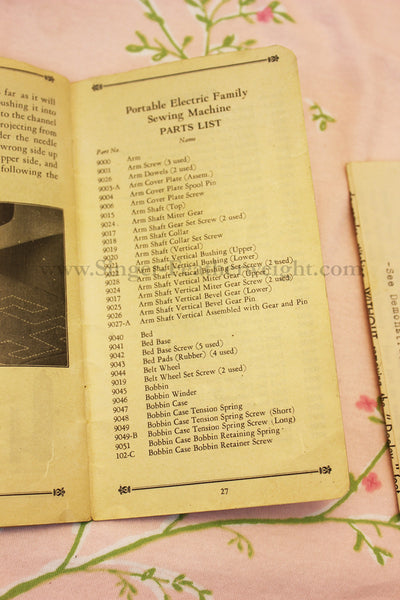
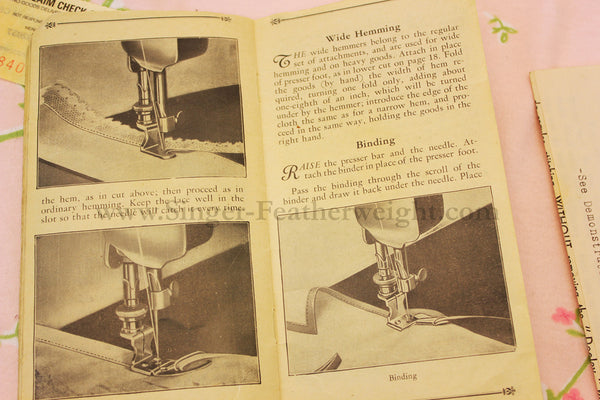
Ironically, in the Singer Featherweight manual, you'll notice the words "Featherweight" or "Sewhandy" are not found.
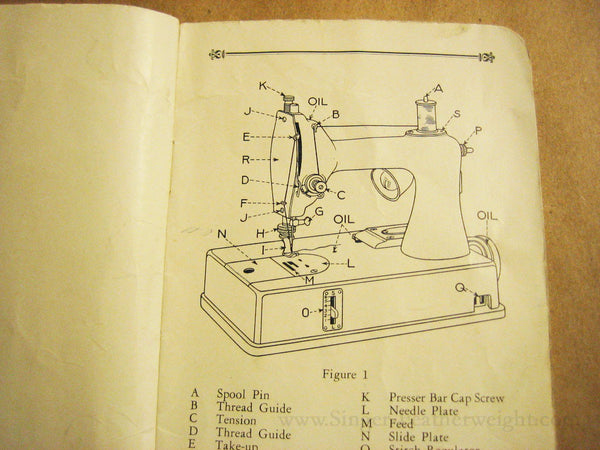
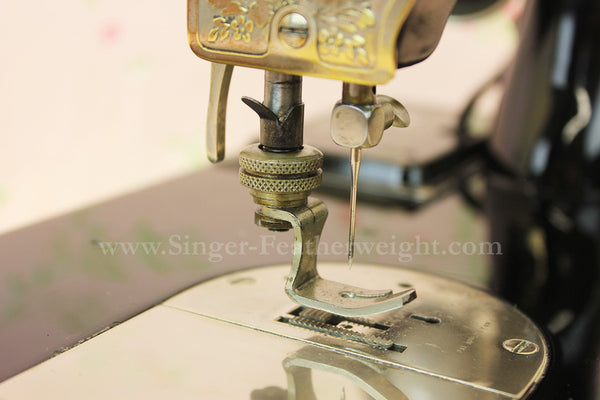
It has been documented that the Standard Featherweight weighed 11 3/4 pounds and was made of aluminum, with the earliest style machine having a plain chrome faceplate.
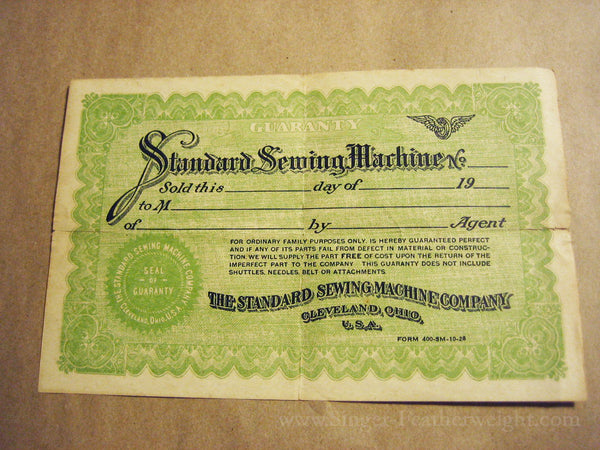
Note the wings inside the 'O' (for Rotary) in the top right corner of the guarantee - you will see this again further down in the photographs.
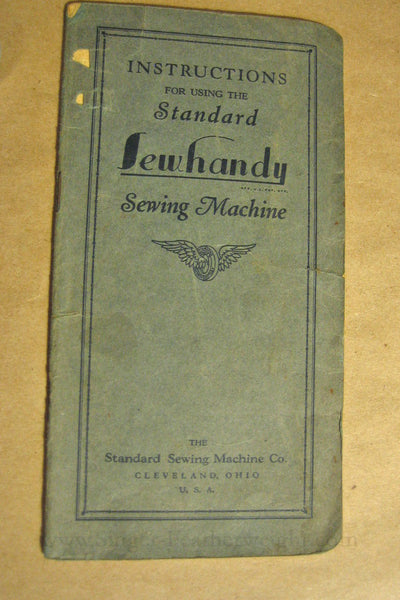
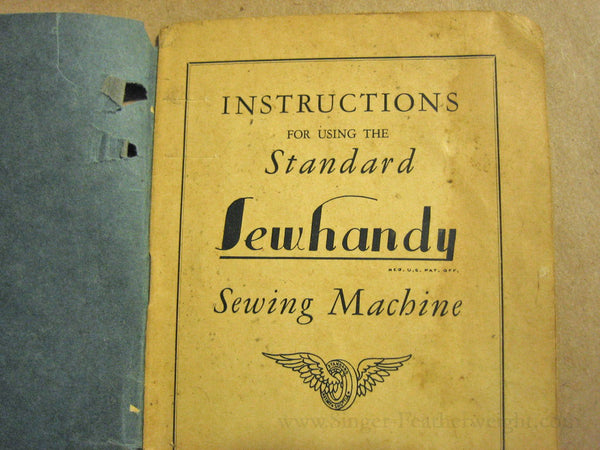
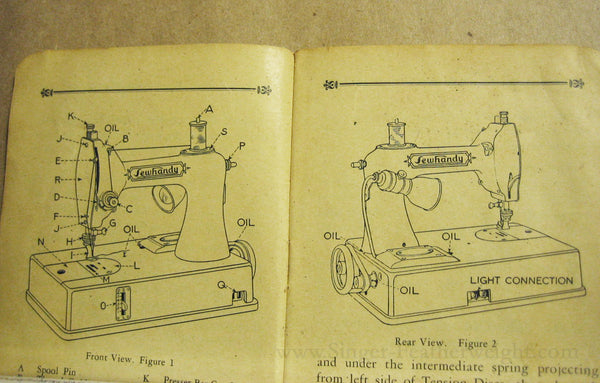


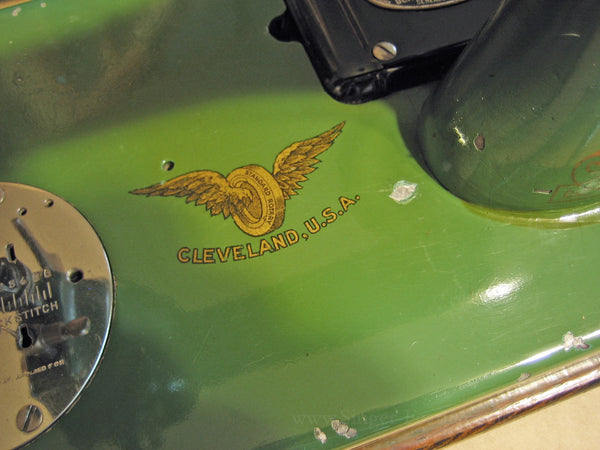
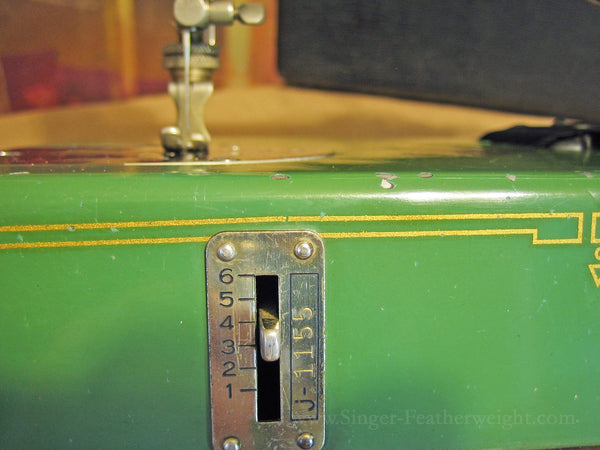
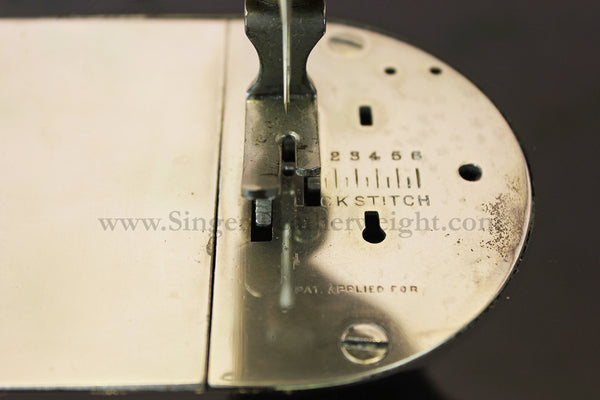
The bed was made of aluminum -- you can tell by holding a magnet to the surface (it will not magnetize to aluminum).
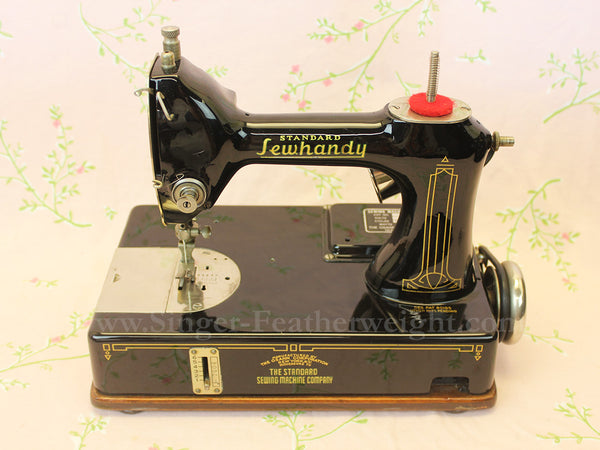
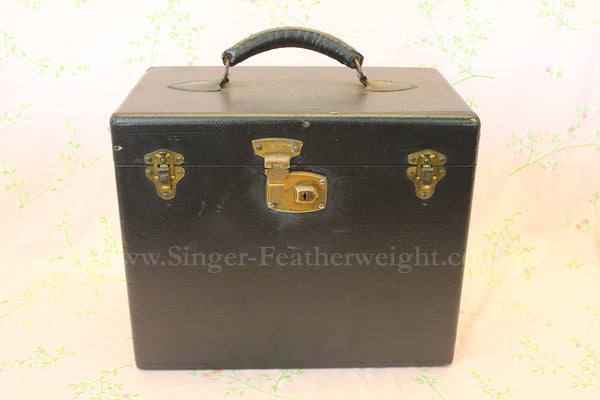
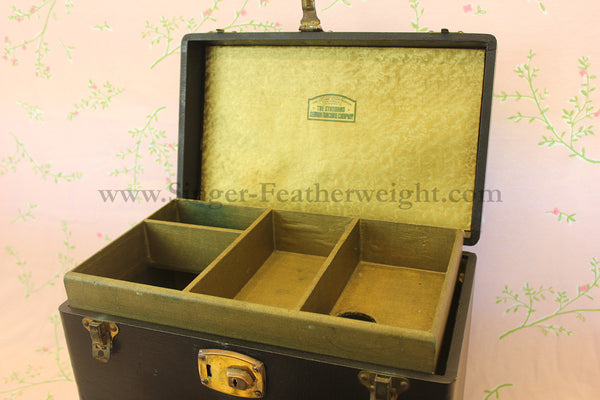
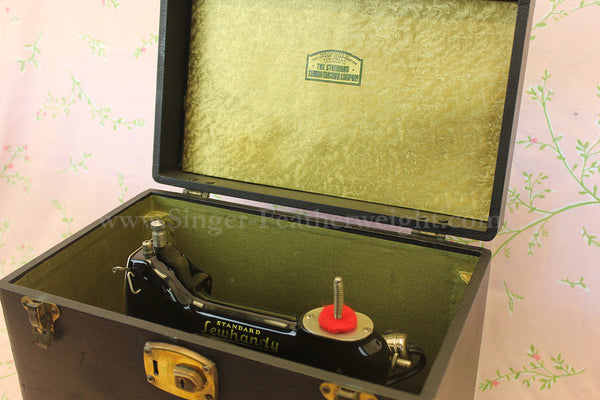
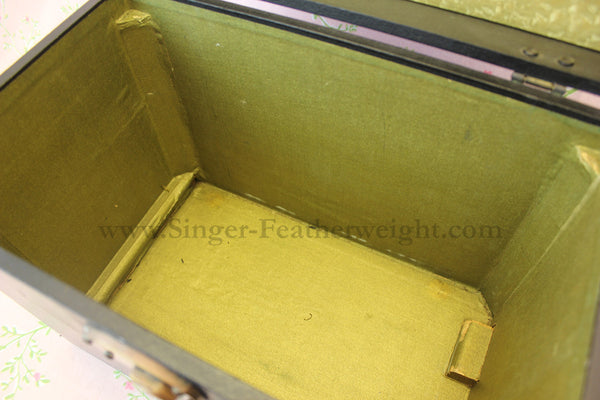
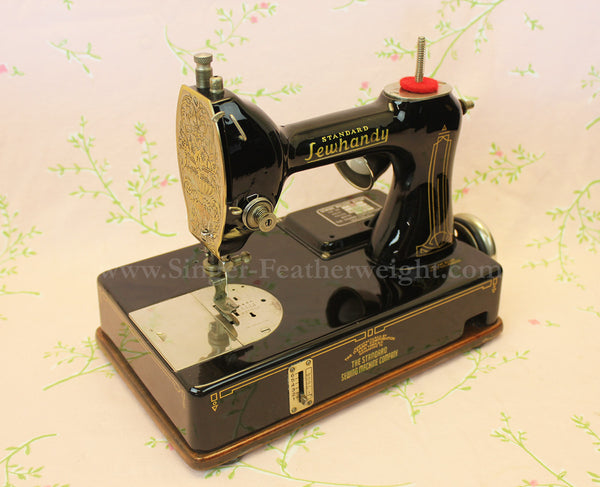
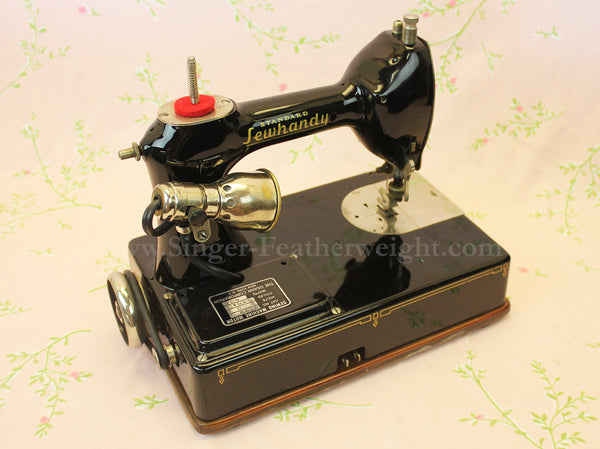
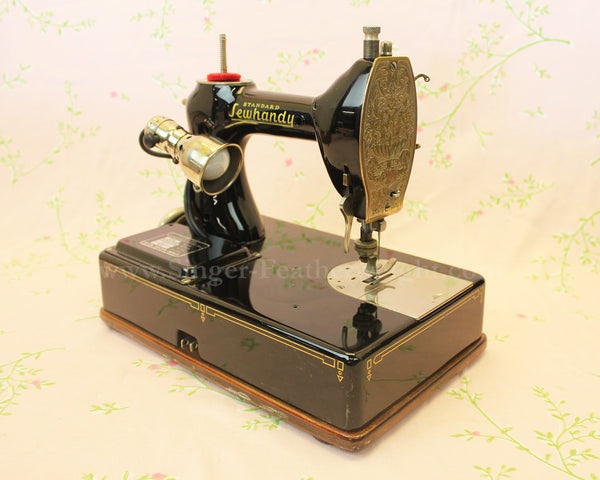
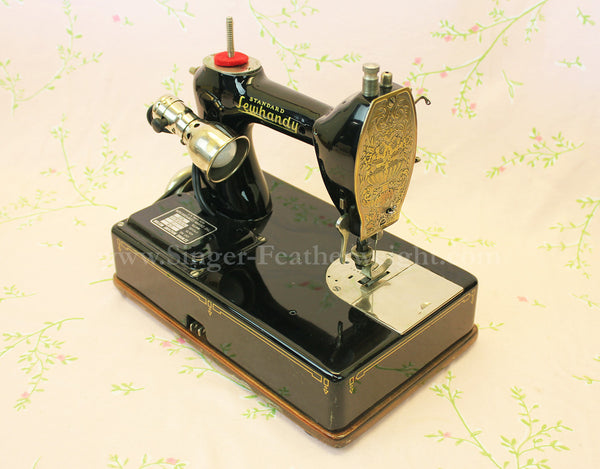
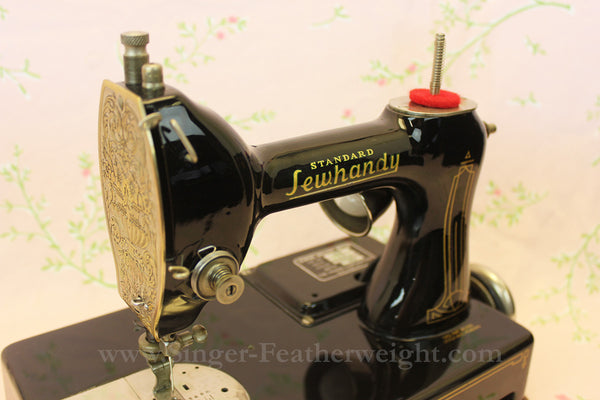
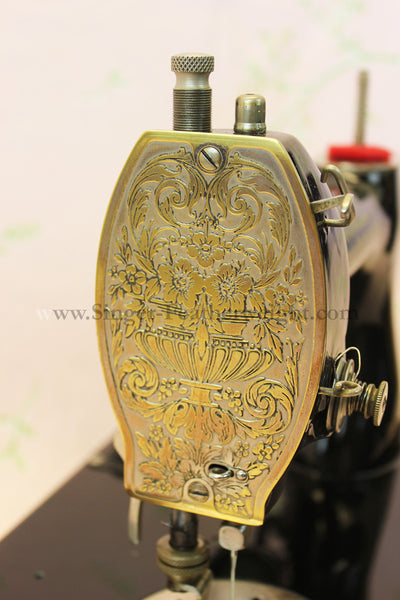
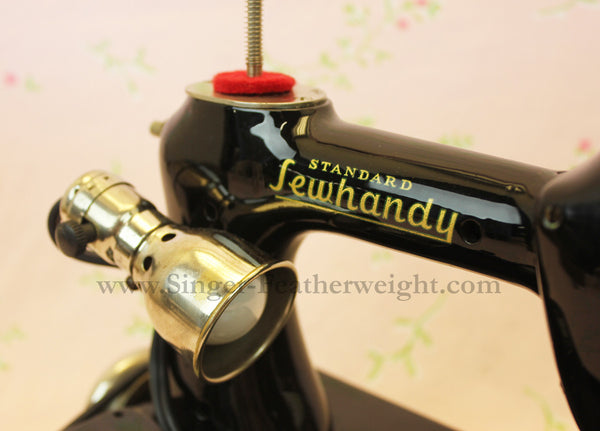
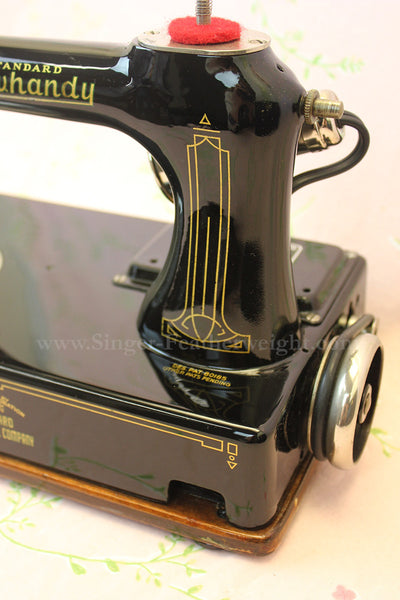
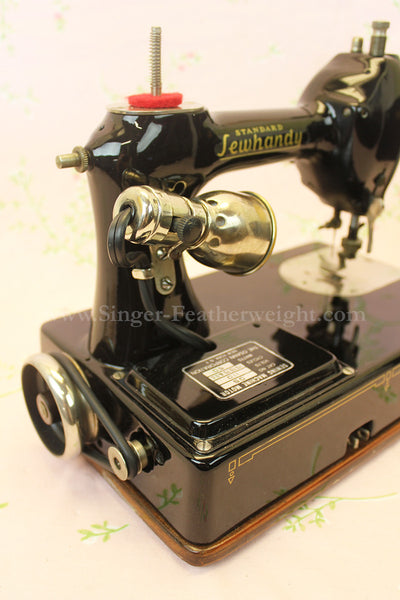
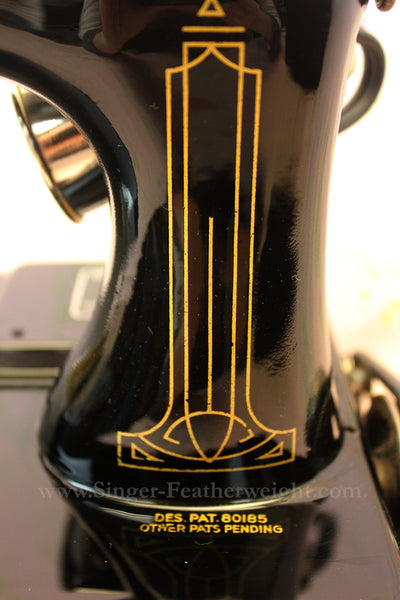
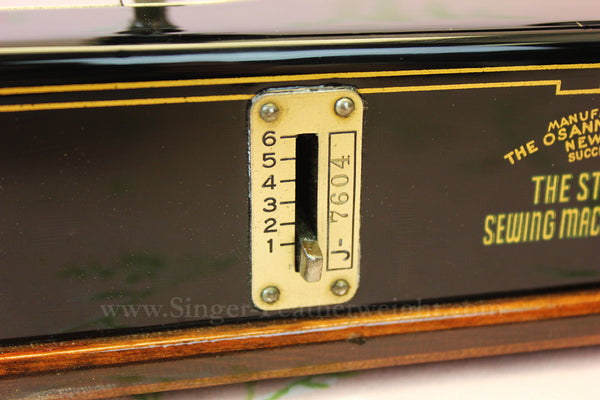
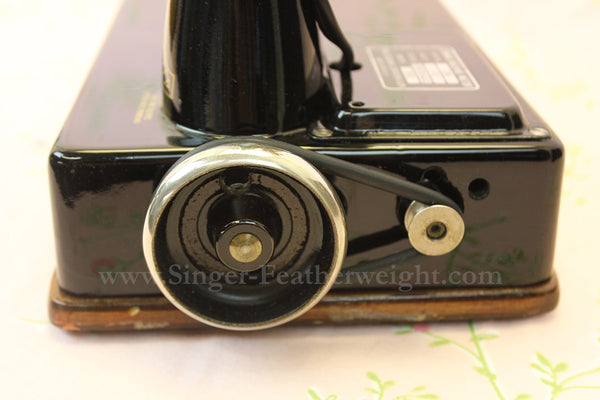
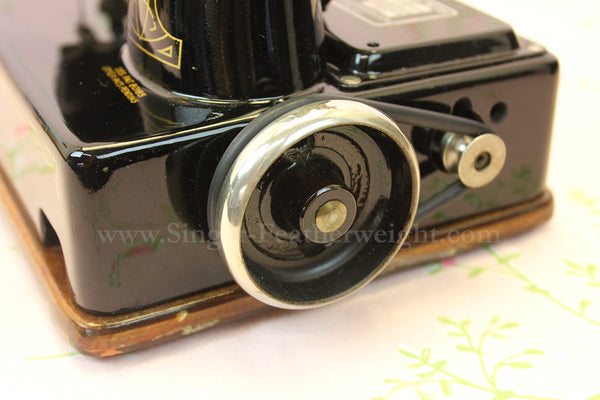
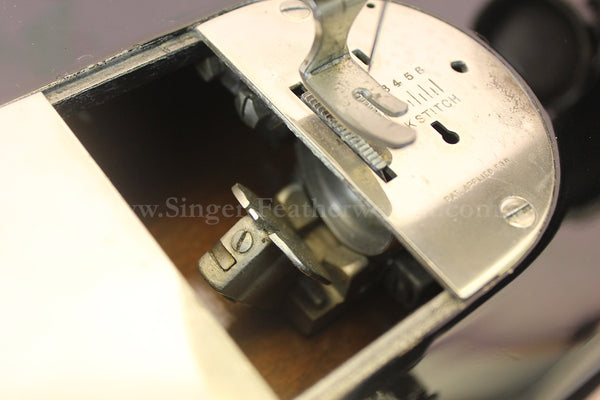
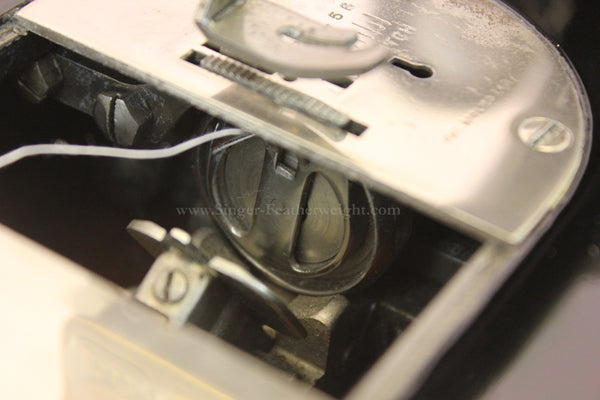
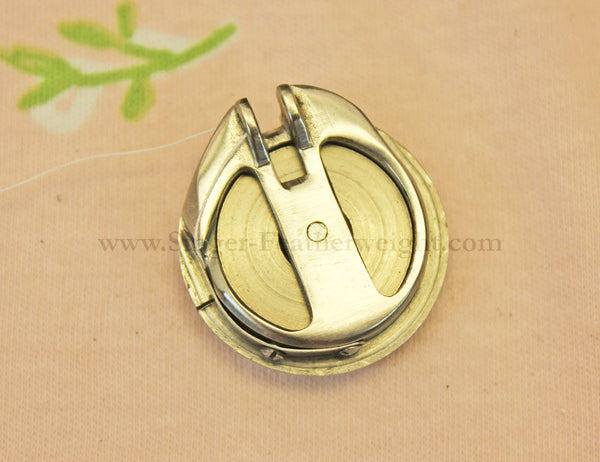
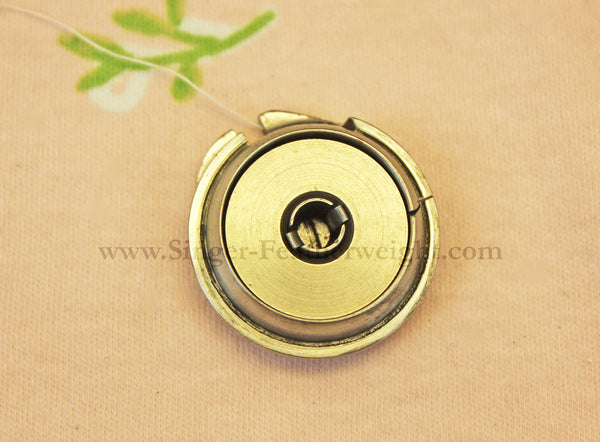
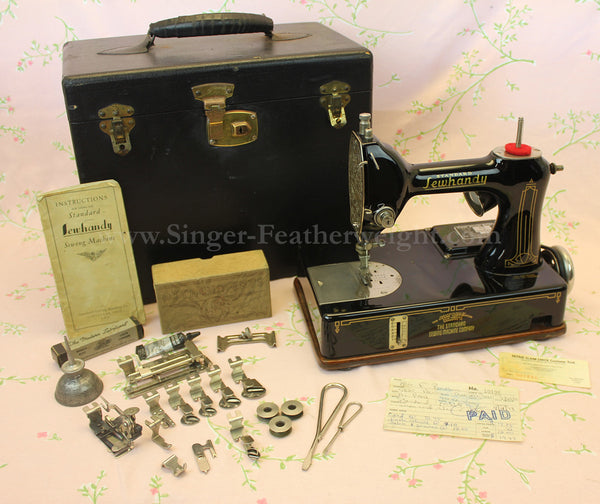
Now, let's have a look at a beautiful little Standard Sewhandy - in black! A few weeks ago while visiting with Dave & Sharon McCallum, we were blessed to bring home this restored Sewhandy, refinished by Dave himself. It is truly gorgeous and we couldn't wait to photograph it so you could see another precursor to the Singer Featherweight we are so familiar with today.
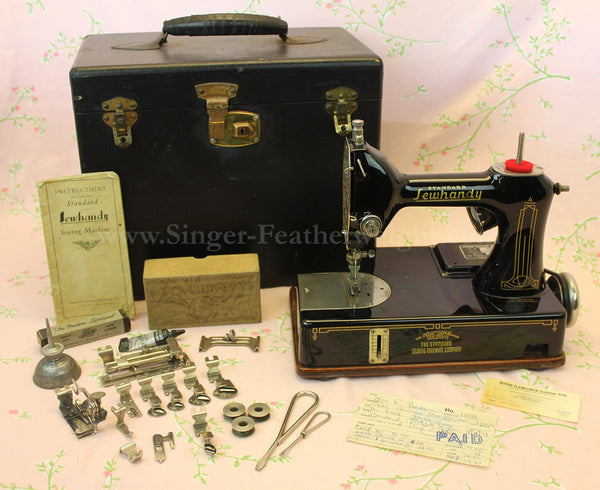
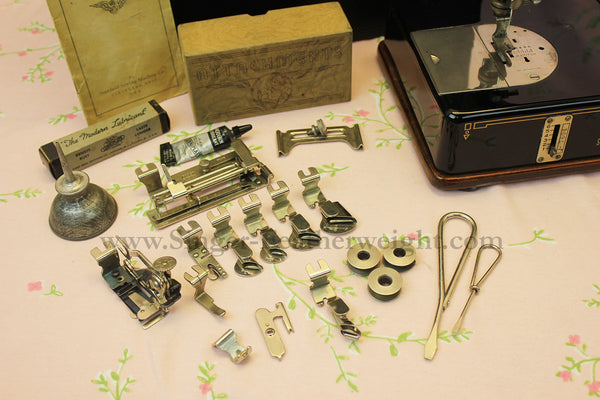
This was the machine, outfitted with several attachments, bobbins, oiler, lubricant, even a receipt or two for service from year's past.
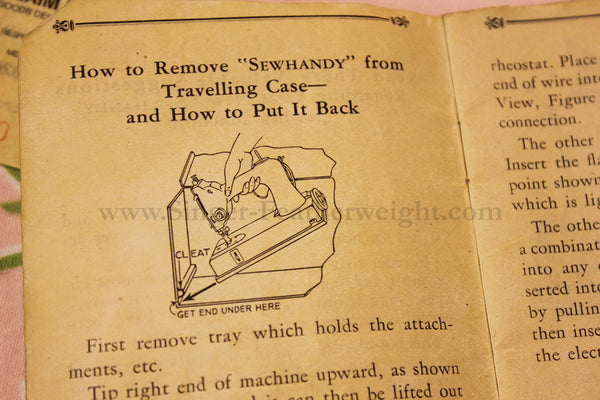
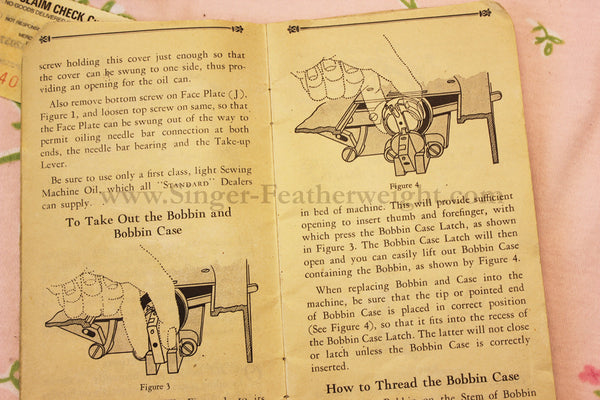
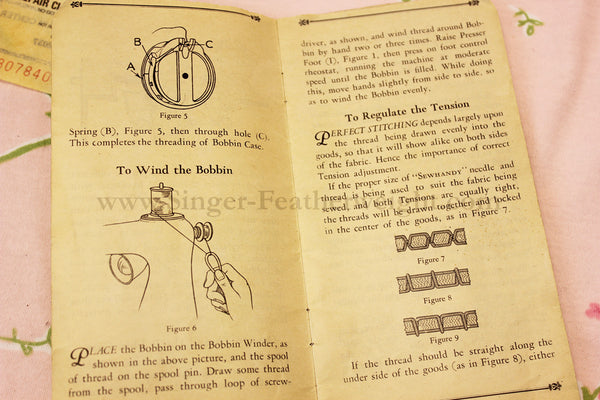
We hope you enjoyed this small history lesson -- let us know what you think in the comments below!